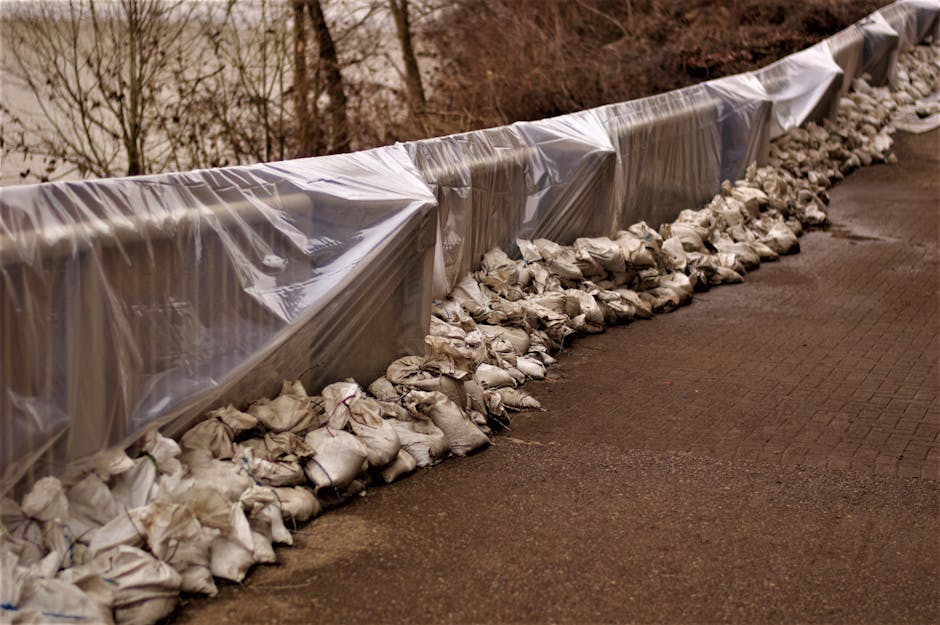
Emergency Rubbish Collection After a Redbridge Flat Flood
When a flat floods, the mess is rarely just water. It is ruined soft furnishings, sagging cardboard boxes, soaked flooring underlay, splintered bits of furniture, and that damp, sour smell that seems to get into everything. If you are dealing with Emergency Rubbish Collection After a Redbridge Flat Flood, you probably need two things at once: fast practical help and a clear plan that does not make the situation worse.
This guide explains what emergency flood-related rubbish collection involves, why it matters in a Redbridge flat, how the process usually works, and what to do before, during, and after the clearance. It also covers common mistakes, compliance points, and sensible next steps if you need a reliable, safe, and tidy result. To be fair, when a flat has taken on water, speed matters. But so does judgment.
One thing people often underestimate is how quickly flood waste becomes unmanageable. A single hour can turn "a bit of damp clutter" into a hallway full of contaminated items that block access, trip people up, and hold moisture in the property. Let's face it: once the carpet starts lifting and furniture begins to smell musty, you do not want to be moving things around twice.
- Why it matters
- How it works
- Key benefits and practical advantages
- Who this is for
- Step-by-step guidance
- Expert tips
- Common mistakes
- Tools, resources and recommendations
- Law, compliance and best practice
- Options and comparison
- Real-world example
- Checklist
- Conclusion
- Frequently asked questions
Why Emergency Rubbish Collection After a Redbridge Flat Flood Matters
A flood in a flat creates a different kind of urgency than a normal clear-out. You are not just trying to get rid of clutter; you are trying to protect the property, reduce health risks, and make the space usable again. In a shared building, there is also the issue of shared access. Wet waste in a staircase, lift lobby, or narrow hallway is awkward at best and hazardous at worst.
The first reason emergency rubbish collection matters is damage control. Wet furniture, soaked textiles, ruined paper, and swollen chipboard can keep releasing moisture into the room. That slows drying and can lead to lingering odours or secondary damage. If items have been sitting in floodwater, they may also carry dirt, sewage contamination, or general bacteria depending on the cause of the flood. Not pleasant. Not something you want hanging around.
The second reason is safety. Flood-damaged items can be heavier than they look, unstable when moved, and slippery on the floor. A waterlogged sofa can suddenly shift. A broken cabinet can collapse when lifted. Even a simple bag of soaked waste can tear and spread debris down the corridor. That is the kind of mess that turns a bad day into a worse one.
The third reason is speed of recovery. If rubbish and damaged items are removed quickly, cleaning and drying can begin properly. For tenants, landlords, and managing agents, that often means less disruption and a faster route back to normal. For homeowners, it can mean the difference between a drawn-out headache and a manageable reset.
In Redbridge, flats often involve shared entrances, communal bins, limited parking, and tight access. That makes flood waste clearance more than a simple van job. It needs sensible planning, careful lifting, and a tidy approach that respects neighbours and the building itself.
Expert summary: After a flat flood, the smartest rubbish collection is the one that removes damaged items quickly, protects access routes, and supports drying and repairs without creating another problem.
Table of Contents
- Why Emergency Rubbish Collection After a Redbridge Flat Flood Matters
- How Emergency Rubbish Collection After a Redbridge Flat Flood Works
- Key Benefits and Practical Advantages
- Who This Is For and When It Makes Sense
- Step-by-Step Guidance
- Expert Tips for Better Results
- Common Mistakes to Avoid
- Tools, Resources and Recommendations
- Law, Compliance, Standards, or Best Practice
- Options, Methods, or Comparison Table
- Case Study or Real-World Example
- Practical Checklist
- Conclusion
- Frequently Asked Questions
How Emergency Rubbish Collection After a Redbridge Flat Flood Works
Emergency flood rubbish collection is usually straightforward, but the details matter. The service is generally designed to respond quickly, assess what can be removed safely, and clear the waste in a way that keeps the flat and building as tidy as possible.
It often starts with a brief assessment. Someone needs to identify what has been affected, what can be salvaged, and what is too damaged or contaminated to keep. In some cases, the most practical approach is a partial clearance: just the ruined items, broken packaging, and flood-soaked rubbish. In others, the job expands into a broader flat clearance because several rooms have been affected and the waste is scattered everywhere.
From there, the team usually plans access. That may involve protecting shared flooring, checking lift use, and choosing the safest route out of the building. If furniture is saturated, it may need to be dismantled before moving. If carpets, mattresses, or bulky household items have been soaked, they may be wrapped or bagged to keep sludge and water from dripping through the building. Small detail, big difference.
The actual removal is often paired with sorting. Flood waste may include general rubbish, damaged furniture, and in some cases items that need special handling because they are contaminated or contain electronic components. Not every item goes into the same pile. Good clearance work is tidy work.
Once removed, the material should be taken for proper disposal or recovery routes, with as much recycling as is reasonably possible. If the flood has also damaged cupboards, doors, skirting, or built-in materials, then follow-up work may overlap with builders waste clearance, especially where repair work has begun.
What makes emergency collection different from routine waste removal?
Routine rubbish removal is usually planned in advance. Emergency collection is more responsive and often more careful around access, odour, contamination, and time pressure. The point is not simply to empty the room. It is to restore order quickly enough that drying, repairs, and safe reoccupation can move ahead.
Key Benefits and Practical Advantages
There is a practical relief that comes from getting flood waste out fast. You can feel it the moment the corridor clears and the room stops looking like a storage problem. But the benefits are more than emotional, useful though that is on a stressful day.
- Faster drying: Removing soaked waste helps air move around the room and reduces the chance of trapped damp.
- Lower contamination risk: Flood-damaged items can carry dirt or unpleasant residues; quick removal reduces exposure.
- Less structural strain: Heavy wet items can put extra pressure on floors and make access unsafe.
- Cleaner repair process: Tradespeople can work better when damaged items are not in the way.
- Better neighbour relations: A quick, organised clearance minimises disruption in shared buildings.
- Less decision fatigue: When everything is wet and chaotic, having a clear removal plan is genuinely a relief.
There is also a financial angle, though it is wise to be careful here. Clearing rubbish promptly can sometimes reduce follow-on damage and avoid extra cleaning or redecoration work. That is not a promise; every flood is different. Still, leaving waste in place rarely improves the outcome. The floor under a soaked wardrobe is not going to dry itself any faster just because you are hoping for the best.
For landlords, agents, and residents in Redbridge flats, another practical advantage is speed of turnaround. If a room or whole flat needs to be prepared for insurance inspection, contractor access, or a return to living standards, emergency rubbish collection can be the first real step toward getting life back on track.
Who This Is For and When It Makes Sense
Emergency rubbish collection after a flood is not only for dramatic, full-room disasters. It can make sense whenever water has damaged items enough that they are no longer safe, clean, or worth keeping.
This service is especially relevant for:
- Tenants who need to clear damaged belongings quickly and avoid blocking access.
- Landlords who need the flat made safe and presentable for drying, inspection, or repairs.
- Managing agents handling a flood in a block with shared entrances or restricted access.
- Homeowners dealing with a burst pipe, overflowing appliance, or rainwater ingress.
- Businesses operating from flats or mixed-use premises that need waste removed without delay.
It makes sense when the waste is bulky, waterlogged, smelly, or too awkward to move in ordinary bin collections. It also makes sense when the flat is partly occupied and you need one area cleared without disturbing everything else. If you are only dealing with a couple of bags of rubbish, a standard disposal route may be enough. But if furniture is swollen, clothing is sodden, and the floor is a slip hazard, emergency help is the sensible call.
Sometimes people wait because they think the damage might look worse than it is. Fair enough. But after a flood, "I'll sort it later" often becomes "Why is this still here three days later?" and then the smell has joined the conversation.
Step-by-Step Guidance
If you want the cleanest possible outcome, treat flood rubbish removal as a process rather than a single task. Here is the simplest version.
- Make the area safe. If water is still present or there is any electrical risk, do not start shifting items around. Safety first, even if it is inconvenient.
- Separate what can stay from what must go. Some items may be dry enough to keep. Others, such as soaked chipboard, mouldy textiles, or items touched by dirty water, are better removed.
- Take quick photos. A few clear images help with your own records, landlord conversations, or insurance discussions. Nothing fancy; just practical.
- Protect access routes. In a flat, this usually means keeping hallways as clear as possible and planning the route for removal.
- Book emergency collection. Share the basics: floor level, lift access, item types, parking restrictions, and whether the flood involved contaminated water.
- Prepare the waste for movement. Bag smaller rubbish, keep sharp fragments boxed or wrapped, and leave heavy items in place until the crew arrives if lifting them alone would be unsafe.
- Allow for sorting on site. The collection team may need to separate general waste, furniture, and recyclable material.
- Follow up with drying and repairs. Once the rubbish is out, keep the space ventilated and move on to cleaning, dehumidifying, or maintenance work.
A small but important point: do not rush to stack wet items in a closed room or communal area. That just relocates the problem. It can also make the smell spread, and nobody wants that in a stairwell on a Tuesday morning.
Expert Tips for Better Results
Flood rubbish clearance goes more smoothly when you think a step ahead. In our experience, a little preparation saves a lot of awkward lifting and back-and-forth later.
- Keep one dry zone. If possible, leave one small area completely free of flood waste so you have somewhere to place essentials or stand safely.
- Use heavy-duty bags only for light debris. Wet rubbish can tear ordinary bags in seconds. For awkward items, it is better to keep them bundled or boxed.
- Group items by room. That makes clearance faster and helps you spot anything you want to inspect before disposal.
- Think about odour early. The smell of wet fabric, MDF, and stagnant water becomes harder to manage the longer it sits.
- Tell the team about stairs, lifts, or parking challenges upfront. It sounds obvious, but this is where jobs often get slowed down.
- Ask about recycling routes. Some items may be suitable for recycling or separate recovery rather than general disposal.
If the flood also affected old cabinets, wardrobes, or sofas, you may find it useful to look at broader furniture clearance or furniture disposal options, especially when several pieces are beyond saving. A flood has a way of making decisions for you. Annoying, but true.
Another tip: if you are managing the situation for someone else, keep your language plain and calm. People in flooded flats are often overwhelmed. A clear list of what happens next helps more than a pile of technical jargon ever will.
Common Mistakes to Avoid
Flood waste removal tends to go wrong in predictable ways. The good news is that most of them are avoidable.
- Waiting too long to remove soaked items. The longer they sit, the more likely you are to deal with smell, mould, and staining.
- Trying to salvage everything. Some items are simply not worth the risk once they have absorbed dirty water.
- Dragging heavy furniture alone. That is how people hurt backs, scrape walls, and damage communal flooring.
- Ignoring hidden waste. Flooded cupboards, under-bed storage, and loft spaces can hide damp rubbish that later causes problems.
- Putting wet waste in weak bags. The resulting spill is almost always worse than the original mess.
- Forgetting access logistics. In a flat, parking, lift use, and entry codes matter. Quite a lot, actually.
Another common one: removing rubbish before checking whether an item contains sharp fragments, broken glass, or contaminated contents. A glove is useful. A bit of patience is even better.
Tools, Resources and Recommendations
You do not need specialist equipment to think clearly about flood clearance, but a few basics make the process safer and calmer.
| Tool or Resource | Why It Helps | Best Used For |
|---|---|---|
| Heavy-duty gloves | Protects hands from grime, splinters, and sharp edges | Moving small debris and bagging waste |
| Strong sacks or wrap | Helps contain loose rubbish and damp material | Light flood waste and textiles |
| Camera phone | Creates a quick record of damage before items are removed | Documentation and decision-making |
| Torches or portable lighting | Useful when the flood has affected power or dark corners | Checking under furniture and in cupboards |
| Dehumidifier or fan | Supports drying once the waste has been cleared | Post-clearance recovery |
If you are comparing removal options, it may also help to review the provider's pricing and quotes approach, their insurance and safety information, and their recycling and sustainability commitments. Those pages are not just formalities; they tell you a lot about how seriously a company takes the job.
For ongoing peace of mind, it also helps to know where the business stands on general service matters such as terms and conditions and health and safety policy. A reliable provider should be open about how they work.
Law, Compliance, Standards, or Best Practice
Flood rubbish collection in the UK sits within a wider framework of waste duty, property safety, and common-sense handling. You do not need to become a legal expert to make good decisions, but you should know the broad principles.
First, waste should be handled responsibly and taken to appropriate disposal routes. If items are contaminated, damaged beyond use, or unsuitable for ordinary household disposal, they need proper handling rather than being left beside the bin or in a communal area. That is both a practical and a neighbourhood issue.
Second, if the waste includes items with sharp edges, broken glass, electrical components, or materials affected by dirty floodwater, the collection process should be careful and risk-aware. This is where best practice matters: PPE, sensible sorting, safe lifting, and a clean route out of the building.
Third, in a flat, access and shared-space etiquette matter more than people often expect. Communal hallways, lifts, and entryways should be left tidy and passable. A good clearance team understands that a job in a block of flats is not the same as a quick drive-up collection outside a house.
If you are a landlord or managing agent, you may also have internal duties around safety, repair coordination, and ensuring the property is fit for reoccupation. That can vary depending on circumstances, so it is wise to keep records and work with qualified tradespeople where needed. Flooding is messy enough without guessing your way through the responsibilities.
For businesses or mixed-use premises, business waste removal may be more appropriate if the flood has affected stock, equipment, or back-office items. And if a repair contractor has already started stripping out damaged materials, then builders waste clearance may slot neatly into the recovery plan.
Options, Methods, or Comparison Table
There is more than one way to clear flood-related rubbish, and the right method depends on volume, safety, and how quickly the space needs to be recovered.
| Method | Best For | Pros | Limitations |
|---|---|---|---|
| DIY removal | Very small amounts of dry, light waste | Cheap, immediate, simple | Risky with heavy or contaminated items; slow and tiring |
| Scheduled household disposal | Non-urgent rubbish that is already safely bagged | Useful for low-volume waste | Not suitable for soaked furniture or urgent clearance |
| Emergency rubbish collection | Flood-damaged items, bulky waste, and access-sensitive flats | Fast, safer, more organised, better for recovery | Usually needs a booking and clear access details |
| Combined flood clearance and repairs prep | Flats where rubbish removal and refurbishment are happening together | Efficient, coordinated, saves time | Requires planning and may involve multiple crews |
In practice, most flood situations in flats are best handled by a professional emergency clearance rather than improvised carrying back and forth. If there is furniture involved, a dedicated house clearance or home clearance style approach may be useful when the damage is spread across several rooms, not just one corner.
Case Study or Real-World Example
Picture a second-floor flat in Redbridge after a burst pipe. The living room carpet is soaked near the wall, two bookshelves have warped, a small sofa has absorbed water, and several cardboard storage boxes have collapsed into a soggy pile. The tenant is trying to keep the hallway clear, but every time they move one item, another one sheds wet paper onto the floor. Familiar enough, unfortunately.
Rather than trying to salvage everything, the first practical step is to isolate what is beyond saving. Damp cardboard goes. The warped shelving goes. The sofa is assessed for safe lifting and removed. Small loose rubbish is bagged, and anything with sharp or broken parts is wrapped before movement. Because the building has narrow access and shared stairs, the route is planned before anything is carried out. No drama. No guesswork.
After the waste is removed, the room can be dried properly. That is when the real recovery starts: dehumidifier on, window cracked open where appropriate, remaining items checked, and repair work organised. The important thing is that the flat is no longer fighting against itself. The rubbish is out. The air can move. The room starts to feel like a place again.
That kind of turnaround is what emergency collection is really for. Not just disposal, but momentum.
Practical Checklist
Use this checklist if you are arranging emergency rubbish collection after a flood in a Redbridge flat.
- Confirm the area is safe to enter and no electrical risk remains.
- Separate salvageable items from damaged waste.
- Take photographs for your own records.
- Clear a route through the flat or hallway.
- Note any access issues: stairs, lifts, parking, entry codes, or loading restrictions.
- Bag or bundle lighter rubbish where it can be done safely.
- Keep heavy, wet, or unstable furniture for the clearance team if lifting it would be risky.
- Tell the provider if the flood involved dirty water or strong odours.
- Ask about recycling, disposal, and what will happen to bulky items.
- Plan follow-up drying and repair work for after the clearance.
If you are not sure whether something should go, pause and assess it properly. A rushed decision now can create more cleaning later. Simple as that.
Get a free quote today and see how much you can save.
Conclusion
Emergency rubbish collection after a Redbridge flat flood is about more than getting rid of damaged items. It is about making the flat safe, helping the drying process, reducing stress, and giving the recovery effort a clean start. When floodwater has left behind bulky waste, ruined furniture, and contaminated debris, speed and care matter in equal measure.
The best outcome usually comes from a calm, organised clearance: identify what must go, protect access routes, remove the waste safely, and then move straight into drying and repairs. If you combine that with sensible planning and a provider that understands flat access and flood-related risks, the whole experience becomes much more manageable.
And honestly, after a flood, manageable is a very good place to be. One clear step at a time.
Frequently Asked Questions
What counts as emergency rubbish collection after a flat flood?
It usually means rapid removal of flood-damaged waste, such as soaked furniture, broken household items, collapsed packaging, and debris that is blocking the flat or slowing drying and repairs.
How quickly should flood rubbish be removed?
As soon as it is safe to do so. The longer damaged items stay in place, the more likely you are to face odour, mould, staining, and access problems in a flat building.
Can soaked furniture be collected with general rubbish?
Sometimes, but it depends on the item and the condition it is in. Waterlogged furniture is often bulky and awkward, so a dedicated furniture removal or broader clearance approach is usually more practical.
Do I need to sort everything before the clearance team arrives?
No, not completely. A basic separation of salvageable items from obvious waste helps, but a good team can sort the load on site and advise what is suitable for disposal or recovery.
What if the flood water was dirty or contaminated?
Tell the provider straight away. Contaminated flood waste should be handled carefully, with proper protection and disposal planning. It is not something to treat casually.
Will emergency rubbish collection also help with drying the flat?
Indirectly, yes. Removing soaked waste clears space and allows air movement, cleaning, and dehumidifying to work more effectively. The clearance itself is only one part of recovery, though.
Is this service suitable for rented flats?
Yes. It is often especially useful for tenants, landlords, and agents who need the property made safe and ready for inspection or repair work.
How do I know if I need flat clearance rather than a small rubbish pickup?
If several rooms are affected, the waste is bulky, or the flat needs access cleared quickly, a fuller flat clearance is usually the better fit than a simple one-off pickup.
Can flood waste include items that need special handling?
Yes. Broken glass, electrical items, contaminated textiles, and warped chipboard may all need more careful handling than ordinary household waste.
What should I ask before booking a clearance?
Ask about access, timing, item types, disposal routes, safety procedures, and whether the company can handle bulky or damp waste. It also helps to check their insurance and safety information.
Does flood waste collection have to wait for insurance approval?
Not always. If the waste is creating a safety issue or stopping drying and repairs, it may be sensible to remove it first and keep records with photos. If in doubt, work carefully and document the condition before disposal.
What is the safest first step if I am standing in a flooded flat right now?
Check for electrical danger, avoid moving unstable or heavy items alone, and make sure the space is safe before starting any clearance. If the rubbish is bulky or contaminated, arrange professional help rather than forcing it.
A flooded flat can feel overwhelming, but the right clearance plan brings order back faster than most people expect. One good decision early on can make the rest of the day easier, and that matters more than it sounds.