Office Clearance in Barkingside

We provide office clearance in Barkingside for workplaces that need desks, chairs, filing, IT equipment, storage items and general office contents removed with care. The service is suited to fitted offices, shared workspaces, shops with back offices and premises that are being reconfigured, emptied or handed back. Our approach is practical and organised, with attention to separating reusable items, recyclable materials and waste that needs responsible disposal.
Commercial clearances often need a tidy sequence rather than a rushed sweep. We can clear one room, several floors or a full suite, depending on what is being removed and what needs to remain in place. Where a site contains mixed items, sorting at source helps keep the job efficient and reduces the chance of leaving anything behind. That is especially useful when furniture, paper archives and obsolete equipment are all present together.
For a straightforward start, list the areas to be cleared and note anything that must stay on site. A brief inventory, access details and any time restrictions help shape a sensible plan. If you are comparing options, a short call to action is enough: tell us what needs clearing and request a quotation.
What our office clearance covers
Office clearance work typically includes desks, task chairs, storage cabinets, reception furniture, shelving, small appliances and everyday clutter that accumulates in workrooms and shared spaces. We can also deal with bulkier items such as boardroom tables, conference seating and partition pieces where they form part of the clearance. The aim is to leave the space ready for its next use, whether that is refurbishment, repurposing or final handover.
In many workplaces, the hardest part is not the lifting but deciding what stays, what goes and what needs separate handling. Sensitive material, archived paperwork and electronics may need extra care, while standard office furniture can often be removed in larger loads. We work with the practical reality of commercial premises, where access routes, lifts and loading points can affect how the clearance is arranged and how long each phase takes.
Furniture, fixtures and day-to-day contents
Our service is built around common office contents rather than one narrow type of item. That means we can remove broken chairs, surplus desks, lockable cabinets and mixed loose items from storage rooms, break areas and rear offices. If a business is refreshing only part of its layout, selective clearance can focus on a department, a single floor or a cluster of workstations while leaving operational areas untouched.
How a clear workspace is prepared

Office clearances are usually easier when a few basic details are confirmed before the visit. A clear list of rooms, floor levels and access arrangements helps avoid delays, especially in buildings with restricted entry or shared corridors. If furniture needs to be dismantled, or if certain items require careful separation, that information is useful at the planning stage rather than during the clearance itself.
For many customers, photographs can help show the volume and type of items without requiring a long explanation. A short note about parking, lift access, key collection or building rules is also helpful. These details do not need to be complicated; they simply give a clearer picture of the work so the quotation is based on the actual task, not an assumption. Good preparation usually means fewer surprises on the day.
When a workspace is being emptied for a move or renovation, it is sensible to decide in advance which items are to be retained, archived or collected separately. Where possible, label what must remain in place. A concise request such as please quote for the office clearance is enough to begin the process, and it can then be followed by the practical information that supports an accurate estimate.
Furniture removal and responsible disposal
Office furniture removal often forms the core of a clearance, particularly where a business is replacing older items or closing a site. We can remove chairs, desks, storage units and other workplace furniture in a controlled way, rather than leaving it to be dragged through fitted spaces. This matters in offices with narrow routes, shared entrances or other tenants nearby, because careful movement reduces unnecessary disruption.
Not every item from an office has the same destination. Some materials may be suitable for reuse, some for recycling and some for disposal as residual waste. Clear separation is useful when items include metal frames, timber panels, plastic components or mixed materials. A structured approach helps the clearance stay orderly and gives the customer a clearer understanding of what is being removed from the site.
- single desks, clusters of desks or meeting tables
- upright storage, shelving and filing cabinets
- task chairs, visitor chairs and reception seating
- miscellaneous office contents from cupboards and corners
Managing IT equipment and mixed office items
Many office clearances include mixed contents rather than only furniture. That can mean printers, monitors, keyboards, cables, small office appliances and storage boxes that have built up over time. These items often need a more careful sort because they are not all handled in the same way. When a workplace includes both bulky furniture and smaller loose items, combining them in one planned clearance can be more efficient than arranging several separate removals.
We can clear offices that contain a combination of working items, obsolete equipment and general clutter from cupboards or back rooms. Where items are sensitive, the customer should identify them before the clearance so they can be treated appropriately. This is especially relevant when desks contain paperwork, branded material or mixed personal and business possessions that should not be grouped together without checking.
Useful ways to separate the load
It often helps to divide an office into simple categories: furniture, electronics, archives, recyclable materials and remaining waste. That makes the task easier to understand and can reduce time spent sorting once the clearance starts. If the premises are partly occupied, this also helps protect active work areas from being disturbed by items that are not part of the removal.
Office clearance for different workplace changes

Commercial premises change for many reasons, and office clearance needs to match the reason for the job. Some customers are preparing for refurbishment, some are reducing occupied space, and others are closing a branch or replacing the whole fit-out. The same service can be adapted to these different situations by focusing on the right rooms, the right contents and the right sequence of removal.
Where a business is reorganising rather than vacating completely, partial clearance may be the best option. That can involve one meeting room, surplus storage, a server room, a reception area or a row of workstations. A targeted approach is useful because it keeps the remaining office functioning while the unwanted items are removed. In these settings, a careful, room-by-room plan often works better than trying to clear everything at once.
For larger changes, staged clearance can make the process easier to manage. Items that are no longer needed can be removed first, followed by the bulk furniture and any final loose contents once the rooms are ready. If you are preparing a quotation request, simply tell us what the business is keeping, what is going and when access is available. That is often the quickest way to move from enquiry to a workable plan.
Waste handling, recycling and finish
Office clearances are not only about taking items away; they are also about making sure materials are handled in a sensible and responsible way. Mixed office contents can contain timber, metal, plastics, textiles and electrical items, and those categories are not always suited to the same treatment. A careful clearance separates the load where it makes practical sense, helping to keep the process orderly from start to finish.
We aim to leave the cleared areas tidy once the removal is complete, with attention to the parts of the room that are often overlooked such as corners, storage recesses and under-desk spaces. If a client has specific instructions about what should remain in place, those instructions should be given clearly at the beginning. A good clearance is not simply a collection exercise; it is the removal of unwanted items with enough care that the room can move on to its next stage.
When speed is not the only concern
Some offices need a fast turnaround, but speed should not come at the expense of organisation. The more varied the contents, the more useful it is to separate items before or during the clearance. This is particularly true when a site contains a mixture of furniture, paperwork, old technology and general rubbish, because each type of item can need a different method of handling.
About Barkingside

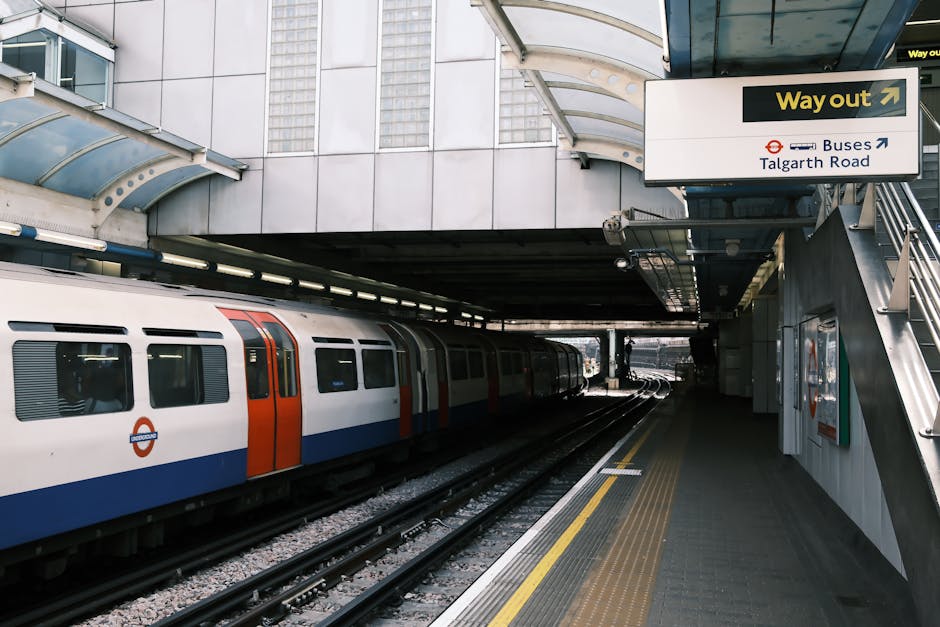
Barkingside is a district in the London Borough of Redbridge, in north-east London, and it forms part of the wider Ilford area while retaining a clear local identity. The name is often associated with Barkingside High Street and the surrounding residential streets, but the place is also closely linked with its railway history. The Central line station, originally opened in 1903, sits on what was once part of the Fairlop Loop, a branch intended to improve suburban rail access across the area. That transport history remains one of the most recognisable elements of Barkingside’s development, tying the district to the broader growth of outer London in the late Victorian and Edwardian periods. The local landscape mixes long-established housing with later development, and the street pattern reflects a suburban place that expanded gradually rather than through one single phase. Religious and civic landmarks contribute to the area’s character, including St John’s Church and the well-known Our Lady of Lourdes church, which are part of the everyday architectural fabric. Barkingside is also associated with charitable and educational history through the legacy of Barnardo’s, whose children’s village was founded nearby in the 19th century and became an important local landmark in its own right. Green spaces remain important too, with nearby parks and open land giving the district a balance of built streets and accessible outdoor areas. Taken together, these features make Barkingside a place where transport, community history and suburban life meet in a compact part of Redbridge.
Why the right clearance plan matters
A well-planned office clearance keeps the work predictable. Instead of treating every item as identical, it allows furniture, electronic items and loose contents to be approached in the most suitable order. That is important when the premises are still partly in use, because the clearance must not disturb items that are needed for daily work. Clear instructions and a sensible sequence make the difference between a rushed emptying job and an organised handover.
Price is usually influenced by practical details such as the amount to remove, the type of furniture involved, ease of access and whether items are concentrated in one area or spread across several rooms. More complex layouts take longer to work through, especially if there are stairs, loading limitations or items that need dismantling before they can be moved. Rather than guessing, it is better to describe the site accurately and request a quotation based on the actual scope.
If you want to compare options, start by noting the rooms involved and the main categories of contents. Then you can review pricing and quotes alongside the rest of the service information and decide what level of clearance best fits the premises. A clear brief is usually the best route to a useful response.
Related clearances for other property types
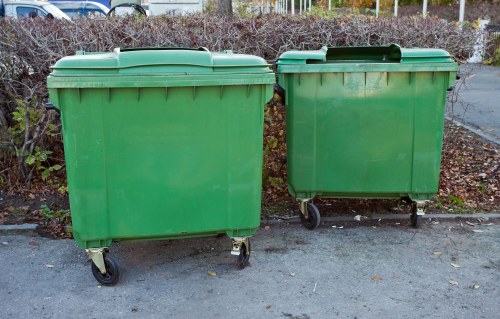
Although office clearance is the main service here, some workplaces need additional clearances for connected spaces. Storage rooms, garages, lofts or household-style areas within mixed-use properties may contain items that sit outside the normal office fit-out. In those cases, a broader clearance can help avoid leaving behind awkward overflow items that do not belong with the main working area.
Where a business occupies an unusual property or a mixed commercial unit, it can be useful to think about the whole layout rather than only the desks and chairs. That may include back rooms, outbuildings, archive storage or furniture that was moved in from another site. The right scope depends on what is actually present, so the best starting point is always a clear description of the premises and the items to be removed. If you need to discuss the job further, send the details and ask for a quotation.
You can also explore the main service pages if you are comparing types of clearance for different parts of the building. The most relevant choices depend on the contents on site, but the central aim stays the same: remove unwanted items carefully, keep the space usable during the process where needed, and leave the premises ready for what comes next. For a direct next step, contact us and request a quotation.