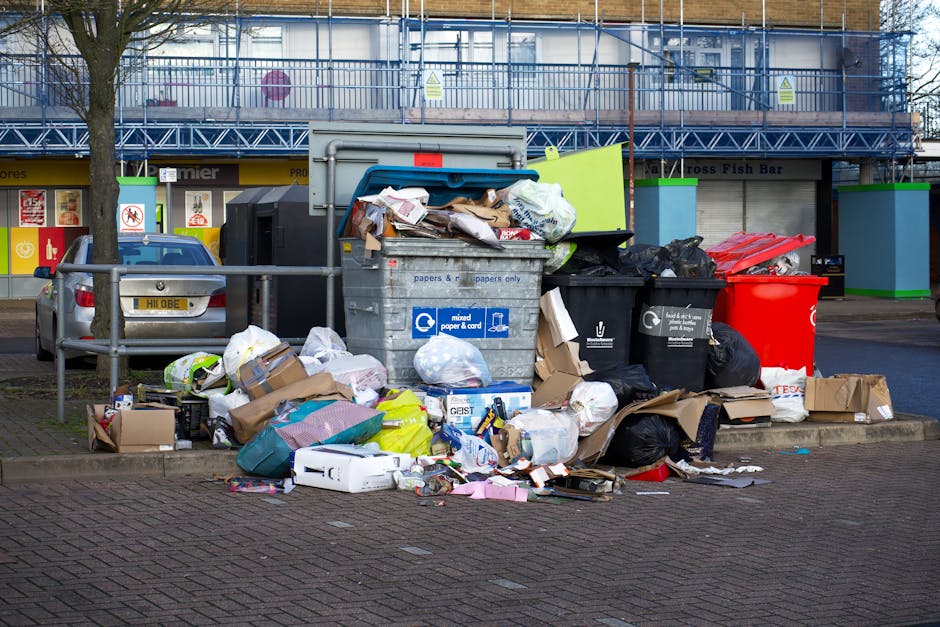
Station Road Barkingside rubbish removal tips for homeowners
If you live near Station Road in Barkingside, rubbish removal has a habit of creeping up on you. One week it is a broken wardrobe in the spare room, the next it is garden cuttings, loft clutter, or the remains of a DIY weekend that went slightly off-script. Truth be told, most homeowners do not need a dramatic overhaul. They need a clear, practical way to get the mess sorted without wasting time, overpaying, or creating a bigger job for themselves.
This guide gives you exactly that. These Station Road Barkingside rubbish removal tips for homeowners are built for real-life situations: clearing a single bulky item, tackling a whole-house tidy, or preparing for a move, renovation, or spring refresh. You will find step-by-step advice, common mistakes to avoid, and sensible ways to stay safe and organised. If you want a cleaner home and a calmer weekend, you are in the right place.
Table of Contents
- Why Station Road Barkingside rubbish removal tips for homeowners Matters
- How Station Road Barkingside rubbish removal tips for homeowners Works
- Key Benefits and Practical Advantages
- Who This Is For and When It Makes Sense
- Step-by-Step Guidance
- Expert Tips for Better Results
- Common Mistakes to Avoid
- Tools, Resources and Recommendations
- Law, Compliance, Standards, or Best Practice
- Options, Methods, or Comparison Table
- Case Study or Real-World Example
- Practical Checklist
- Conclusion
- Frequently Asked Questions
Why Station Road Barkingside rubbish removal tips for homeowners Matters
Rubbish removal sounds simple until you are standing in the hallway with three bags of mixed waste, a dismantled chest of drawers, and a pile of old toys nobody seems to want to own. Then it gets real. For homeowners, especially in busy residential areas like Station Road Barkingside, the difference between an organised clear-out and a stressful scramble often comes down to planning.
It matters because waste builds up quickly, and once it does, it starts affecting more than appearance. Hallways get blocked, garages become unusable, loft access gets awkward, and small piles can turn into trip hazards. You may also find that sorting through waste at the last minute leads to rushed decisions, which is exactly how reusable items get thrown out and recyclable materials get mixed into general rubbish.
There is also the simple matter of time. Many people assume they will "deal with it later", and later turns into months. A clear plan helps you break the job into manageable parts. That is especially useful if your home is already busy with school runs, work, deliveries, pets, or a renovation project that has somehow spread into every room.
If your clear-out is part of a larger home refresh, it can help to look at broader services such as home clearance, house clearance, or even loft clearance when the clutter has migrated upstairs and started breeding quietly. A practical approach keeps the job from becoming an all-day slog.
How Station Road Barkingside rubbish removal tips for homeowners Works
At home level, rubbish removal usually follows a simple flow: identify what needs to go, separate it into categories, decide how it will be moved, and then make sure it is collected or disposed of properly. The tricky bit is not the lifting. The tricky bit is the sorting.
A sensible homeowner approach usually starts with a quick survey of the space. Walk through each room and note the items that are definitely rubbish, the items that can be reused, and the items that may need special handling. A cracked mirror is one thing; an old mattress or a bag of mixed renovation debris is another. Different waste types often need different handling, and mixing them is where confusion starts.
For some jobs, a simple domestic tidy-up is enough. For others, especially larger loads, mixed furniture, or awkward bulky waste, a professional service may be faster and more efficient. That is where pages like waste removal, furniture disposal, or garage clearance become relevant. The point is not to overcomplicate it. The point is to match the method to the mess.
In practical terms, a good rubbish removal job also involves access planning. Do you have a clear path through the house? Is there space for loading? Are there items upstairs, in the garden, or tucked behind heavier furniture? You would be surprised how often the actual delay comes from a blocked doorway or a forgotten side gate. Tiny thing. Big difference.
Key Benefits and Practical Advantages
Homeowners often think rubbish removal is purely about getting rid of things. That is only part of it. Done well, it gives you breathing room, better organisation, and a clearer idea of how your home is actually being used.
Here are the most useful benefits:
- More usable space: Clear floors, cupboards, lofts, and garages make day-to-day life easier.
- Less stress: A structured clear-out means fewer last-minute decisions and less visual clutter.
- Better safety: Fewer trip hazards, fewer heavy objects left leaning awkwardly, and a tidier route through the house.
- Improved sorting: Reusable items can be separated from waste before anything is removed.
- Faster project progress: Renovations, decorating, and moving house all go more smoothly when waste is under control.
There is also a subtle but real satisfaction in seeing a room reset. The quiet after a clear-out is different. You hear the house again. That may sound a bit much, but if you have ever cleared a packed garage on a Saturday morning, you know exactly what I mean.
For homeowners who care about disposal standards and reducing waste, choosing a service or method with a recycling focus can make a genuine difference. It is worth checking a provider's recycling and sustainability approach before booking, especially if your load includes a mixture of reusable and recyclable materials.
Who This Is For and When It Makes Sense
This kind of rubbish removal guidance is useful for a wide range of homeowners, not just people doing a full house declutter. In fact, some of the best outcomes come from smaller, targeted jobs done at the right time.
It makes sense if you are:
- clearing out after a tenancy change or home move
- getting ready for decorating or a renovation
- dealing with old furniture or broken household items
- sorting the loft, shed, garage, or spare room
- making space for a new baby, new furniture, or visiting family
- tidying a garden after a season of growth and cutbacks
- helping a relative downsize or manage accumulated household items
Sometimes the need is practical and immediate. A washing machine dies. A sofa is too bulky for the car. The loft hatch is blocked by boxes you forgot existed. Other times, the need is emotional. You have to clear the room after years of stuff collecting around your life, and that can feel oddly draining. That is normal.
If your project includes specific item types, it can help to narrow the service. For example, large seating or broken tables may fit within furniture clearance, while garden waste is better handled separately through garden clearance. Matching the job to the service usually saves time and reduces confusion.
Step-by-Step Guidance
Here is a practical way to handle rubbish removal at home without making it harder than it needs to be.
- Walk the property first. Look at every area you want to clear: kitchen, bedrooms, loft, garage, shed, hallway, and garden. Make a quick list rather than relying on memory.
- Sort by type. Separate general rubbish, bulky items, reusable items, recyclable materials, and anything that may need special care. This keeps the job tidy from the start.
- Set aside keep, donate, and dispose piles. Be honest here. If you have not used it in years and it is cracked, stained, or missing parts, it is probably not coming back into service.
- Check access routes. Measure doorways if needed, clear pathways, and make sure you can move items without knocking over lamps or scraping walls. A little prep saves a lot of faff.
- Decide the disposal method. Small, bagged waste may be manageable in stages. Larger or mixed loads may be better handled by a collection service.
- Handle awkward items safely. Lift with care, use gloves, and avoid forcing heavy loads on your own. It is not heroic to injure your back over a wardrobe.
- Keep paperwork or booking details together. If a collection is arranged, know when it is happening and what is included.
- Finish with a final sweep. Check corners, cupboard tops, and behind doors. You will always find one more thing. Always.
A useful little habit: clear the smallest visible area first. It gives you momentum. Once one room looks better, the whole job feels less intimidating. Funny how that works.
Expert Tips for Better Results
The best rubbish removal jobs are rarely the most dramatic ones. They are the most organised ones. A few smart choices make the whole process smoother.
Start with high-impact items. Old furniture, broken appliances, and bagged waste often free up the most space. If you can remove one bulky item early, the room feels different straight away.
Use the "one-touch" rule. If you pick an item up, decide what happens to it then and there. Keep it, donate it, recycle it, or dispose of it. Re-handling the same pile three times is how people lose patience by 11 a.m.
Think by room, not by mood. It is tempting to jump around the house clearing whatever catches your eye. Better to finish one space properly, then move on.
Protect walls and floors. Blankets, cardboard, and simple corner protection can prevent scuffs. Especially helpful if you are moving heavy furniture through narrow hallways.
Keep mixed waste separate where possible. Mixed loads are harder to manage and can be less efficient to clear. Even a small amount of sorting helps.
Book around your day, not against it. If you know mornings are chaotic, do not schedule a big clear-out then. Sounds obvious, but people do it all the time.
Use the right service for the right job. A garden job belongs in a garden-focused clearance, while builders' rubble needs the right handling. If your project includes home improvement debris, builders waste clearance may be the better fit.
And one more thing: do not wait until the house "looks bad enough" before acting. By then, the job is usually twice as annoying.
Common Mistakes to Avoid
Most home rubbish removal mistakes are simple, which is why they are so common. The good news is they are easy to avoid once you know what to look for.
- Leaving sorting until collection day: This creates stress and slows everything down.
- Underestimating bulky waste: One sofa can take far more room than three black bags.
- Mixing different waste streams unnecessarily: This complicates disposal and can make the job less efficient.
- Ignoring access issues: A clear route matters more than people expect.
- Trying to do too much in one go: A whole-house clear-out without a plan is a recipe for exhaustion.
- Forgetting about reuse: Some items are better donated, sold, or repurposed than thrown away.
- Assuming every item can go with ordinary household rubbish: Not always true, and that assumption can create problems.
There is also a quieter mistake: not asking for help soon enough. A packed loft or garage can look manageable from the doorway and feel impossible once you are inside, breathing dust and staring at old Christmas decorations. No shame in that.
Tools, Resources and Recommendations
You do not need a van full of equipment to manage rubbish removal well. A few basic tools and a sensible setup usually do the trick.
- Heavy-duty gloves: Useful for sharp edges, rough timber, and dusty items.
- Sturdy bin bags or sacks: For loose waste, smaller items, and grouped rubbish.
- Marker labels or tape: Handy for separating keep, donate, and dispose piles.
- Dust sheets or old blankets: Good for protecting floors and furniture during movement.
- Basic hand trolley or sack truck: Helpful for bulky loads if you are moving items short distances.
- Cleaning cloths and a vacuum: So you can reset the space once the waste is gone.
On the service side, it is worth exploring broader options if your job is not just one pile of rubbish. A larger clear-out might benefit from house clearance or flat clearance if the property layout or scale makes the job more involved than expected. For furniture-heavy jobs, furniture disposal can be the cleaner route.
If you are comparing options, keep an eye on service details, pricing clarity, and how the provider handles payment and security. That is one of those dull-but-important bits that saves headaches later.
Law, Compliance, Standards, or Best Practice
Homeowners do not need to become waste law experts, but it helps to follow the accepted UK best practice: dispose of household waste responsibly, avoid fly-tipping, and make sure anything collected on your behalf is handled by a legitimate and trustworthy service.
If you are hiring help, common-sense checks matter. Look for clear service terms, insurance information, and transparent communication about what can be taken, how it will be handled, and whether certain items need special treatment. A professional provider should be able to explain the process in plain English. If they cannot, that is a fair warning sign.
There is also a practical safety angle. Heavy lifting, dusty lofts, old furniture, broken glass, and damp items can all create risks. Best practice means planning the job, using suitable equipment, and not forcing awkward loads. The same goes for anything that may be contaminated, sharp, or structurally unstable.
If you want a sense of how a provider handles these matters, pages such as health and safety policy, insurance and safety, and terms and conditions can help you understand the standards behind the service. That is not just paperwork. It is part of buying peace of mind.
Compliance in the home context is mostly about being careful, informed, and respectful of how waste is moved and disposed of. Simple really, though not everyone treats it that way.
Options, Methods, or Comparison Table
Different rubbish removal methods suit different situations. Here is a straightforward comparison to help you choose.
| Method | Best for | Pros | Watch-outs |
|---|---|---|---|
| DIY bagging and trips to disposal points | Small volumes, lightweight waste | Low cost, flexible timing | Time-consuming, physically tiring, may need multiple journeys |
| Man-and-van style collection | Mixed household rubbish, bulky items | Convenient, quicker for homeowners, less lifting stress | Needs good access and clear instructions |
| Room-by-room home clearance | Lofts, garages, spare rooms, full declutters | Efficient for larger jobs, easier to organise | Can feel more involved if the property is cluttered |
| Furniture-only removal | Sofas, wardrobes, tables, beds | Good for big items, simpler sorting | Less suitable if you have a mixed load |
| Garden-specific clearance | Cuttings, soil, branches, outdoor clutter | Keeps green waste separate, tidy outcome | Wet or thorny waste can be awkward to handle |
For many homeowners, the best choice is not one method forever. It is a mix. You may do small jobs yourself and bring in help for the bigger, awkward loads. That is the sensible route, honestly.
Case Study or Real-World Example
Imagine a typical Station Road Barkingside homeowner who has decided to reclaim the garage before winter. It starts with good intentions and a cup of tea. There are old plant pots, paint tins, a broken chair, a few boxes of school books, and a bicycle that has not moved since the previous spring.
At first, the job seems manageable. Then the homeowner realises the shelves need emptying before the larger items can come out safely. A bag of reusable items is set aside, garden waste is separated, and a pile of mixed household rubbish is formed near the door. The garage already feels lighter, and the hardest part is deciding what stays.
Instead of trying to clear everything in one frantic session, the homeowner breaks the job into sections: one corner, then one shelf, then the bulky items. By lunchtime, the space is not spotless, but it is usable. That is the win. Not perfection. Usability.
In a slightly different version of the same job, the homeowner also has two worn armchairs and a spare mattress. Rather than forcing them into ordinary waste, they arrange a dedicated collection through the right clearance service, alongside a tidy-up of other household waste. The result is a cleaner space, fewer trips, and less back strain. Nothing glamorous, just effective.
Practical Checklist
Use this checklist before you start:
- Identify which rooms or areas need clearing
- Separate rubbish, recycling, reusable items, and bulky waste
- Check for sharp, heavy, damp, or unstable items
- Make sure doors, hallways, and paths are clear
- Measure awkward furniture if access looks tight
- Decide whether you need DIY removal or a collection service
- Set aside documents, valuables, and sentimental items first
- Prepare gloves, bags, labels, and protective coverings
- Check the final disposal method before loading anything
- Do a last sweep for items behind furniture and in corners
One simple rule helps a lot: if you have to ask yourself three times whether something should be kept, it probably needs a proper decision, not another week in the hallway.
Conclusion
Station Road Barkingside rubbish removal tips for homeowners come down to one principle: make the job smaller before you make it faster. Sort first, lift safely, choose the right method, and keep the process calm enough that you can actually finish it. That approach saves time, reduces stress, and makes your home feel more in control again.
Whether you are clearing a single room, a cluttered garage, or a whole property, the best results usually come from a bit of planning and a clear idea of what needs to go. And if the job turns out bigger than expected, that is perfectly normal. Homes accumulate things quietly. Clearing them never needs to be a drama.
Get a free quote today and see how much you can save.
If you are ready to take the next step, start with the part of the house that frustrates you most and work from there. Small progress is still progress, and once the first pile is gone, the rest feels lighter too.
Frequently Asked Questions
What is the easiest way to start rubbish removal at home?
The easiest way is to begin with one clearly defined area, such as a hallway, garage corner, or spare room. Sort items into keep, donate, recycle, and dispose piles before moving anything. That first decision makes the rest of the job much easier.
How do I know whether I need a full house clearance or just waste removal?
If you are mainly dealing with loose rubbish, mixed household waste, or a few bulky items, general waste removal may be enough. If you are clearing several rooms, a loft, or a property that needs major emptying, house clearance or home clearance is usually the better fit.
Can I clear bulky furniture myself?
Sometimes, yes, but it depends on the weight, size, and access routes. A light chair is one thing; a heavy wardrobe through a narrow staircase is another. If lifting feels awkward or risky, it is smarter to get help than to push on and regret it later.
What should I do with old furniture I do not want to keep?
Check whether it can be reused, donated, or broken down safely. If not, use a suitable furniture disposal or furniture clearance option. It keeps the process simpler and helps avoid trying to force oversized items into ordinary household bins.
How can I make a garage clear-out less overwhelming?
Work in sections and remove obvious rubbish first. Once the floor starts appearing again, the job feels more manageable. Keep a separate pile for items you are unsure about, but do not let that pile grow all day.
Is garden waste handled differently from household rubbish?
Yes, often it is. Leaves, branches, clippings, and outdoor debris are usually easier to manage separately through garden clearance. Mixing them with general waste can make the job messier than it needs to be.
What if I find broken items, sharp glass, or damp waste?
Handle those items carefully and keep them separate. Use gloves, sturdy sacks, and a sensible lifting approach. If the waste looks unsafe or contaminated, do not rush it. Slow is fine here.
How do I avoid overpaying for rubbish removal?
Be clear about what you need removed, how much there is, and whether the job includes bulky items or mixed waste. Comparing clear, itemised quotes is usually better than choosing the cheapest vague offer. Transparency matters more than a flashy promise.
Do I need to sort recyclables before collection?
Where practical, yes. Sorting recyclable items from general waste helps keep the clear-out organised and can support better disposal practices. Even partial sorting is useful if a full separation is not realistic.
What mistakes do homeowners make most often?
The biggest mistakes are leaving sorting until the last minute, underestimating bulky items, and trying to do too much in one session. People also forget about access routes, which is a very normal but annoying one.
How long does a typical home rubbish removal job take?
It depends on the amount of waste, the number of rooms, and how prepared you are. A small clear-out can be surprisingly quick, while lofts or garages packed with mixed items take longer. Preparation usually saves the most time.
Where can I check service details before booking?
Useful starting points include pricing and quotes, recycling and sustainability, and the provider's terms and safety information. These pages help you understand what is included and how the service is run before you commit.
At the end of the day, a good clear-out gives you a bit of peace back. And sometimes that is worth more than the extra floor space.