Recycling Requirements for Businesses in Redbridge Borough
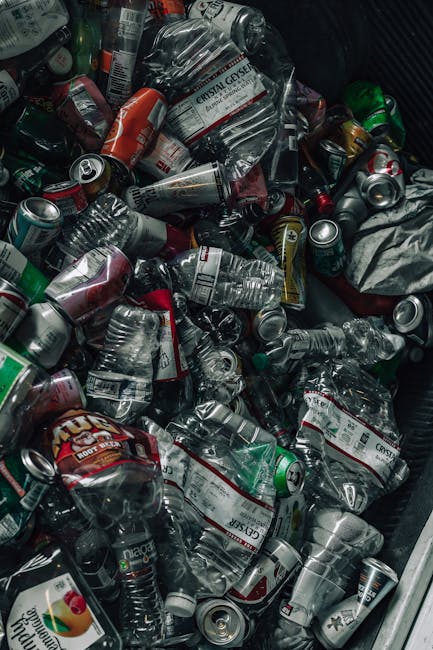
If you run a business in Redbridge, recycling is not just a nice extra that makes the bins look tidier. It affects how you manage waste every week, how much space you lose to mixed rubbish, and how confidently you can show customers, landlords, or inspectors that you are handling things properly. The recycling requirements for businesses in Redbridge Borough can feel straightforward at first, then suddenly complicated once you start dealing with packaging, confidential paperwork, office furniture, food waste, construction debris, or a few awkward items that do not fit neatly into one stream.
This guide breaks it down in plain English. You will find out what the requirements usually mean in day-to-day terms, how the process works, what mistakes create the most risk, and how to build a routine that is practical rather than fussy. If you are balancing compliance, cost, and time, you are in the right place.
Why Recycling Requirements for Businesses in Redbridge Borough Matters
For most businesses, recycling starts as a back-room issue and ends up being a business issue. If waste is not separated properly, you pay for unnecessary collection of mixed material, you create avoidable mess, and you can make it harder to prove that your waste is being managed responsibly. That matters whether you operate from an office, shop, salon, cafe, workshop, storage unit, or a site that produces building waste.
In practice, the pressure usually comes from three directions. First, there is the legal and operational expectation to keep waste moving through a compliant route. Second, there is the commercial side: better segregation often means better control of costs. Third, there is the reputation factor. Customers notice tidy premises, orderly bins, and a sensible approach to sustainability. They may not comment on it, but they do notice. Let's face it, a pile of flattened cardboard beside a full general waste bin does not exactly scream "well run".
Redbridge businesses also sit within a busy London environment where space is limited and collections need to be organised carefully. That makes recycling discipline more than a paperwork exercise. It is part of how you keep your workplace running smoothly. A few simple habits can stop waste from building up in corners, loading bays, stockrooms, or that one neglected office cupboard nobody wants to open before Monday morning.
Expert summary: The businesses that handle recycling best are usually not the ones with the fanciest systems. They are the ones with clear bin labels, reliable collection routines, and staff who know exactly what goes where.
How Recycling Requirements for Businesses in Redbridge Borough Works
At a practical level, business recycling works by separating recyclable material from general waste before it leaves your premises. The exact setup depends on your type of business, how much waste you produce, and what materials are involved. Some sites need only a small number of clearly labelled containers. Others need a more detailed waste stream setup because they produce cardboard, plastics, food waste, wood, scrap metal, confidential paper, or bulky furniture.
Most businesses work best with a simple sorting method. One container for general waste. One for dry mixed recycling. Another for cardboard if volumes are high. Then, where needed, separate arrangements for food waste, wood, WEEE items, or specific commercial waste streams. It does not need to be over-engineered. In fact, if your system is too complicated, staff will ignore it. That is human nature, really.
The key is consistency. Waste should be separated at source, not left until the end of the week in one giant mixed heap. That is where contamination happens. A greasy pizza box in a cardboard bin, a coffee cup in a paper sack, or a broken chair dumped with office recycling can all reduce the value of the load and make disposal more difficult.
For many organisations, the process also includes documentation. If you use a licensed waste carrier or a specialist commercial service, you should expect proper records for collections and disposal. If you are reviewing how your site is managed, the business waste removal service on business waste removal may be a useful place to start, and for general handling across different waste types, the broader waste removal service page can help you understand the options.
And if your waste stream includes reused items, fixtures, or furnishings that can be cleared and handled separately, the site's recycling and sustainability information is a sensible companion read.
Key Benefits and Practical Advantages
Good recycling systems are not only about staying on the right side of expectations. They make life easier. Simple as that.
- Lower disposal pressure: separating recyclable material can reduce the amount of general waste you send away.
- Cleaner workspaces: bins, storage areas, and loading zones stay more manageable when waste is sorted as it is created.
- Smoother collections: collection teams can handle properly separated material more efficiently.
- Better staff habits: once people know the system, they tend to follow it without much fuss.
- Stronger credibility: customers and partners often view sensible waste management as a sign of a disciplined business.
- Less avoidable contamination: clean recycling streams are easier to process than mixed bags of "hopefully recyclable" material.
There is also a quieter benefit that business owners often mention after a few months: less clutter. Recycling rules, when set up properly, force a kind of gentle order on the workplace. You notice it in the stockroom first, then in the office, then in the back yard or service area where rubbish used to collect until someone had the time to deal with it. That bit matters more than people think.
If you are clearing out older furniture, surplus desks, or bulky items as part of a broader housekeeping reset, it may also help to look at office clearance or furniture disposal so recyclable and reusable items do not end up in the wrong stream.
Who This Is For and When It Makes Sense
The short answer is: almost any business generating waste. The more helpful answer is that the need becomes obvious when your waste stops being simple.
You will benefit most from a proper recycling approach if you are:
- running an office with paper, packaging, and end-of-life equipment;
- operating a retail unit with cardboard, plastics, and display materials;
- managing a cafe, take-away, or food-related business with food waste and packaging;
- overseeing a workshop or trade site with wood offcuts, metal, builders waste, or mixed debris;
- clearing a property after a refit, relocation, or expansion;
- trying to reduce rubbish build-up in a shared commercial building;
- looking for a better system before a new lease, inspection, or fit-out begins.
It also makes sense if you are reaching the point where "we'll sort it later" has become a recurring policy. That usually means there is no policy at all. Not a disaster, but not ideal either.
For businesses going through changes, waste needs often overlap. A shop refit may involve packaging and builders waste. A warehouse move may involve pallets, broken shelving, and office furniture. A cafe renovation may need general waste support as well as disposal of worn seating. In those situations, having the right local clearance support can make the whole process much calmer. If that sounds familiar, the service pages for builders waste clearance and office clearance may be relevant alongside your recycling plan.
Step-by-Step Guidance
If you want a system that actually works, keep it simple and build it in stages. Here is a practical approach.
- Map your waste types. Walk through a normal week and list what you throw away: cardboard, packaging film, paper, food waste, mixed rubbish, old furniture, wood, metal, or electrical items.
- Identify the high-volume items. These are the materials that fill bins quickly and cost you the most time or money if handled badly.
- Separate at the point of disposal. Put bins where waste is created, not just in one distant corner. People are far more likely to sort waste if the right container is close by.
- Label everything clearly. Use plain language. Staff should not need a quiz to know where a box goes.
- Train the team. A two-minute explanation in a team meeting often beats a fancy poster nobody reads.
- Arrange the right collection schedule. If bins overflow, contamination follows. Too many collections, on the other hand, can waste money. Balance matters.
- Review what is going wrong. Check bins before collection day and see what keeps ending up in the wrong place.
- Adjust for seasonal changes. Busy retail periods, office moves, and construction projects all change the waste profile. The system should flex with you.
A small example: a Redbridge office handling lunch packaging and monthly archive clear-outs may start with just three containers. One for paper and cardboard, one for general waste, one for mixed dry recycling. If furniture is being replaced, the business can temporarily add a separate clearance plan rather than stuffing desks and chairs into the same stream. Simple. Sensible. Much less messy.
If the waste includes old beds, chairs, cabinets, or other reusable items from a property clear-out, the furniture clearance and home clearance pages can be useful examples of how to think about sorting before collection.
Expert Tips for Better Results
Once the basics are in place, the difference often comes down to small habits. These are the details that save time later.
- Keep recycling bins visible. Hidden bins become "where did that go?" bins.
- Flatten cardboard early. It sounds obvious, but it saves a surprising amount of space.
- Use a contamination bin only if needed. If people keep mixing waste streams, find out why rather than just shrugging at it.
- Assign one person to monitor waste flow. Not as a punishment. Just someone who notices patterns.
- Match collection frequency to reality. Weekly sounds neat; real life is not always neat.
- Keep a quick photo record of set-ups. Handy when you are checking if the system drifted after staff changes.
One thing that often helps is making the correct choice the easiest choice. For example, if the cardboard bin is right beside the delivery area and the general waste bin is further away, staff will usually do the right thing without thinking about it. You want the system to feel natural, not like a school exam.
And yes, someone will still put a half-full coffee cup in the paper bin. That is life. The aim is not perfection; it is steady improvement.
Common Mistakes to Avoid
Most recycling problems in businesses are not dramatic. They are slow, annoying, and entirely avoidable. That is the irritating bit.
- Mixing everything into one bin and hoping for the best. It creates contamination and makes sorting harder later.
- Using unclear labels. "Waste" is not a label. Be specific.
- Forgetting about staff turnover. New team members do not inherit the system magically.
- Ignoring bulky items. Chairs, shelving, and old counters do not belong in ordinary recycling bins.
- Overlooking confidential waste. Paper may be recyclable, but some documents need secure handling first.
- Assuming one setup suits every department. An office floor and a stockroom rarely produce the same waste.
- Letting bins overflow. Once bins are too full, contamination and mess tend to spread fast.
There is also the classic mistake of setting up a good recycling system, then never checking it again. In a real business, waste changes. A rebrand brings packaging. A new product line brings more cardboard. A refurb brings furniture and builders debris. If the system does not change with the business, it stops being useful. Quite quickly, too.
Tools, Resources and Recommendations
You do not need an expensive software platform to manage business recycling well. Most of the time, a few simple tools are enough.
- Colour-coded bins or clear signs: makes sorting quicker and reduces guesswork.
- Collection log: a simple written record of what went out, when, and in what stream.
- Staff induction notes: especially useful for new starters or temporary staff.
- Waste audit checklist: a monthly review of what is building up and what is being contaminated.
- Photo reference sheet: useful if you want people to know exactly what belongs in each bin.
For businesses that need help with a larger clean-out, a mix of clearance and recycling planning is often the most practical route. That can be particularly true for offices, flats used as workspaces, garages, loft storage areas, or buildings where surplus stock and packaging have accumulated over time. Relevant service pages such as garage clearance, loft clearance, and flat clearance can help you think through those mixed-space scenarios.
If you want to better understand service expectations, operational standards, or how the company presents its approach to responsible disposal, the pages on about us, insurance and safety, and health and safety policy are useful trust-building reads.
Law, Compliance, Standards, or Best Practice
Business recycling in the UK is shaped by legal duties, local expectations, and industry best practice. The exact obligations depend on your business type, the waste you generate, and how your waste is stored, collected, and documented. This is one of those areas where the broad principle is clear, but the details should be checked for your specific situation.
At a sensible level, businesses should:
- store waste safely and neatly;
- separate recyclable material where appropriate;
- use a properly authorised waste carrier or collection route;
- keep records where needed;
- avoid leaving waste to build up in a way that creates hazards or nuisance;
- manage special items, such as electricals or confidential waste, with extra care.
Best practice goes a bit further. It means checking that your bin layout suits the actual flow of your business, not the layout you imagined when you first ordered the containers. It means choosing collection methods that fit your volume and space. It also means having a policy for odd items that do not fit the normal stream. Office furniture, retail display units, and renovation debris need a plan, not a shrug.
If you are responsible for compliance, it can help to think in terms of evidence. Can you show what waste leaves the premises? Can you explain how it is sorted? Can staff describe the difference between recyclable and general waste without second-guessing themselves? If the answer is yes, you are already in a stronger position than many businesses.
For commercial cleaning, clear-outs, and planned disposal support, the service details on pricing and quotes can also help you compare options without guessing at the cost structure.
Options, Methods, or Comparison Table
There is no single best recycling method for every Redbridge business. The right choice depends on your premises, waste type, and how hands-on you want the process to be. Here is a simple comparison to make the decision easier.
| Method | Best for | Strengths | Trade-offs |
|---|---|---|---|
| Basic mixed recycling bins | Small offices, shops, and low-volume premises | Simple to manage, low training burden | More risk of contamination if staff are careless |
| Separated waste streams | Medium to larger businesses with predictable waste types | Cleaner sorting, better control, clearer reporting | Needs more space and better staff discipline |
| Planned clearance plus recycling | Refits, moves, stock changes, property clean-outs | Good for bulky items, one-off projects, and mixed waste | Requires coordination and a clear scope |
| Specialist collection for bulky or trade waste | Sites producing builders waste, wood, metal, or furniture | Handles awkward material properly | May need more planning than a standard bin route |
For many businesses, the best setup is a hybrid. Day-to-day recycling runs through labelled bins, while bulk items are handled through a separate clearance plan. That keeps the routine easy and the one-off jobs from derailing the whole system.
Case Study or Real-World Example
Imagine a small professional office in Redbridge that has gradually grown from five staff to twelve. At first, waste management was simple: one general bin and an occasional cardboard box broken down and stacked near the printer. Then the business changed. More deliveries arrived. Staff started ordering lunch more often. Filing cabinets were replaced. Old desks were pushed into the corridor for "later".
By the time anyone noticed, the office had three separate issues at once: overflowing cardboard, mixed rubbish in the wrong bin, and bulky furniture taking up storage space. Nothing catastrophic. Just awkward. The kind of thing that makes every Friday a bit more annoying than it needs to be.
The fix was not complicated. They added a clear cardboard stream, placed signage by the kitchen and print area, and arranged a separate clearance for surplus furniture. They also gave the team a quick reminder during a Monday meeting. Within a few weeks, the bins were tidier, collections were easier, and the back room stopped feeling like a permanent holding pen.
That kind of change is common. The lesson is simple: if your waste feels chaotic, the answer is usually a better system, not more bins for the sake of it.
Practical Checklist
Use this checklist if you want to tighten up your business recycling without overcomplicating things.
- Identify your main waste types.
- Separate recyclables from general waste at source.
- Label bins clearly and in plain English.
- Put recycling containers where waste is actually created.
- Check that staff understand what belongs in each stream.
- Make sure bulky items have a separate plan.
- Review the system after any move, refurb, or staffing change.
- Keep basic waste records and collection notes where relevant.
- Watch for contamination and fix the cause, not just the symptom.
- Revisit your setup every few months so it stays practical.
If your premises include furniture, storage overflow, or end-of-life fixtures, it may also help to plan ahead with services such as furniture clearance and builders waste clearance rather than waiting until the pile becomes unmanageable.
Conclusion
Recycling requirements for businesses in Redbridge Borough are easiest to handle when you treat them as part of normal operations, not a special project you keep postponing. Once your bins are clearly labelled, your waste streams are separated properly, and your collections match your actual output, everything becomes calmer. Less clutter. Fewer surprises. Better control.
The best systems are usually simple, consistent, and easy for staff to follow on a busy day. That is the real win. Not perfection. Not fancy charts pinned to a wall. Just a setup that works when the office is hectic, the stockroom is full, and everybody is trying to get out the door on a Friday afternoon.
If you are reviewing your waste setup, clearing out old furniture, or organising a commercial collection that needs a careful, compliant approach, start with the practical basics and build from there. That steady approach goes a long way.
Get a free quote today and see how much you can save.
And if you are still weighing up what is appropriate for your site, a thoughtful conversation now is worth more than a rushed tidy-up later. You will thank yourself for it.
Frequently Asked Questions
What are the recycling requirements for businesses in Redbridge Borough?
They generally mean separating recyclable material from general waste, using suitable collection arrangements, and managing waste responsibly through a compliant route. The exact setup depends on your business type and the materials you produce.
Do small businesses need a formal recycling system?
Usually yes, even if it is a simple one. A small office or shop still produces cardboard, packaging, and general waste, so having a clear system helps keep things orderly and makes collections easier.
What waste should businesses separate first?
Start with the highest-volume and easiest-to-separate items, such as cardboard, paper, and dry mixed recycling. Once those are under control, add other streams if your business needs them.
What happens if recyclable waste is mixed with general waste?
It can create contamination, reduce the usefulness of the recycling stream, and make disposal less efficient. In practical terms, it usually means more mess and less control.
Can office furniture be recycled or reused?
Often yes, depending on the condition of the items. Desks, chairs, and storage units may be suitable for clearance, reuse, or separate disposal rather than going straight into mixed waste.
How often should a business review its recycling setup?
At least every few months, and sooner after a move, refit, team change, or increase in waste volume. Waste patterns change more often than people expect.
Do I need different bins for cardboard and mixed recycling?
Not always, but many businesses find it helpful. If you produce a lot of cardboard, a separate container usually keeps the stream cleaner and reduces overflow.
Is business recycling only about compliance?
No. It is also about efficiency, tidiness, staff convenience, and cost control. Compliance matters, of course, but the day-to-day benefits are what keep the system working.
What should I do with bulky items like old chairs or shelving?
Use a separate clearance plan rather than trying to force them into ordinary recycling bins. Bulky items need a different route and a bit more planning.
How can I reduce recycling mistakes among staff?
Keep labels simple, place bins where they are needed, and give short refreshers during team meetings. People do better with clear habits than with long instructions no one remembers.
Where can I get help with larger business waste clear-outs?
If you need support with commercial clearances, furniture removal, or mixed waste management, the pages for business waste removal, office clearance, and related clearance services are a good starting point on the site.
What is the best way to stay organised during a refurb or move?
Separate reusable items, recyclable materials, and general waste before the work starts. A bit of planning early on saves time, space, and a fair amount of stress later.