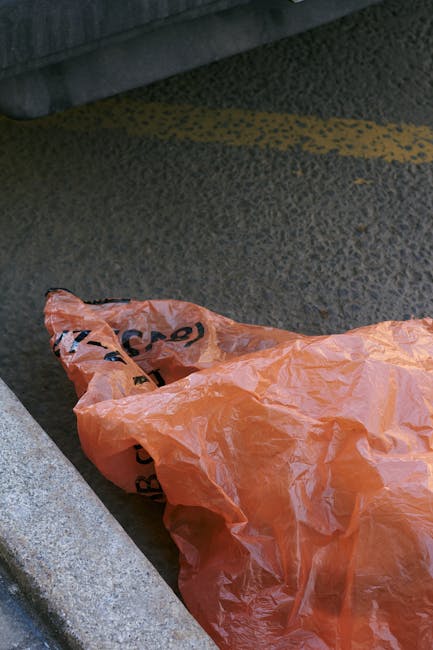
Fines and Responsibilities for Fly-tipping in Barkingside
Fly-tipping is one of those problems that can turn a tidy street into a mess almost overnight. A mattress on the pavement, black bags dumped behind a shop, rubble left by a van at dusk - it all creates frustration, safety concerns, and real costs for local people. If you are trying to understand the fines and responsibilities for fly-tipping in Barkingside, you are probably dealing with one of two situations: you want to avoid getting into trouble, or you need to know what to do when waste turns up where it should not be. Either way, this guide breaks it down in plain English.
Truth be told, fly-tipping is not just about litter or bad manners. It can become a legal, financial, and practical headache very quickly. The good news? Once you understand who is responsible, what the usual risks are, and how to handle waste properly, it becomes much easier to avoid mistakes. This article walks through the key responsibilities, the kind of penalties people may face, and the sensible steps residents, landlords, tenants, and businesses in Barkingside can take.
There is a lot of confusion around this subject, especially when someone says, "I paid a man to take it away, so it is his problem now." Sadly, it is rarely that simple.
Here is the short version: if you create waste, arrange collection, store it, transport it, or let it be handled badly, you may have responsibilities that matter. Let's unpack that properly.
Table of Contents
- Why Fines and Responsibilities for Fly-tipping in Barkingside Matters
- How Fines and Responsibilities for Fly-tipping in Barkingside Works
- Key Benefits and Practical Advantages
- Who This Is For and When It Makes Sense
- Step-by-Step Guidance
- Expert Tips for Better Results
- Common Mistakes to Avoid
- Tools, Resources and Recommendations
- Law, Compliance, Standards, or Best Practice
- Options, Methods, or Comparison Table
- Case Study or Real-World Example
- Practical Checklist
- Conclusion
- Frequently Asked Questions
Why Fines and Responsibilities for Fly-tipping in Barkingside Matters
Fly-tipping is a local issue with very local consequences. In Barkingside, a single dumped load can block a footpath, attract more waste, or create hazards for children, drivers, shop staff, and anyone walking past. It can also make a neighbourhood feel neglected, which is one of those things people notice immediately even if they cannot quite put their finger on why.
The fines and responsibilities for fly-tipping in Barkingside matter because the problem affects everyone involved in waste handling, not just the person who physically leaves the rubbish. If a homeowner leaves bags on the pavement, a landlord allows waste to pile up, or a business hires an unlicensed carrier without checking properly, the outcome can be unpleasant and expensive. Sometimes the first sign is a warning or a fixed penalty. In other situations, the matter becomes more serious. Either way, ignoring it tends to make things worse.
There is also a practical side to this. Waste left in the wrong place can lead to pest issues, sharp objects, blocked access, and ugly mess that lingers for days. On a wet London morning, that kind of spill is not just annoying - it can be slippery, smelly, and a pain to clear. No one wants that outside their home or premises.
Key takeaway: fly-tipping is not a victimless shortcut. The responsibility chain can follow the waste, the person who arranged it, and sometimes the business or property owner too. That is why proper disposal and due diligence are so important.
How Fines and Responsibilities for Fly-tipping in Barkingside Works
In simple terms, fly-tipping happens when waste is left somewhere it should not be left. That can include a roadside verge, alleyway, communal bin store, car park, open land, or even the front of a property if the waste is dumped there without permission. The exact response depends on who was involved, what the waste was, and how it got there.
The responsibility side is where people often get caught out. It is not always just about the person who dumped the items. If waste was handed to someone who was not properly licensed or if there is evidence linking the waste back to a household or business, authorities may look at the chain of events. That can include receipts, vehicle details, witness reports, and the type of waste itself. A bit of paperwork can save a lot of stress. Or cause it, if you never bothered with any.
Fines and penalties may vary depending on the circumstances and the enforcement route used. In practice, local authorities and enforcement bodies may issue fixed penalties, investigate more serious offences, or require the responsible party to deal with clearance costs. The specific outcome depends on the facts, so it is best not to assume a small incident will stay small. Sometimes it does, sometimes it does not.
For residents, the most important question is often: "What if someone else dumped waste using my address or outside my property?" That is a fair question. In those cases, the priority is to report it promptly, keep records, and avoid moving or tampering with evidence until needed. For businesses, the issue often centres on proving that waste was handed over responsibly and to a legitimate carrier.
If you need broader support around clearing waste properly, you may also want to look at waste clearance services in London where relevant to the type of job you are dealing with. Use that kind of help carefully and always check that any contractor is suitable for the job at hand.
What usually triggers enforcement?
- Waste left in a public place without permission
- Dumped items linked to a household or business
- Repeated nuisance waste around a property
- Use of an unsuitable or unchecked waste carrier
- Evidence from CCTV, witnesses, or item tracing
To be fair, some cases are clear-cut. Others are messy, with more than one person involved and not enough care taken by anyone. That is where keeping your own records really helps.
Key Benefits and Practical Advantages
Understanding fines and responsibilities is not just about avoiding punishment. It also gives you a practical edge. When you know what is expected, you waste less money, fewer hours, and frankly less patience.
One benefit is simple compliance. If you are a landlord, tenant, shop owner, builder, or householder, having a clear process for waste disposal reduces the chance of accidentally doing the wrong thing. Another benefit is proof. If you can show where waste went, who collected it, and when it was handled, you are in a much better position if questions come up later.
There is also reputational value. Businesses in Barkingside do not want a pile of waste outside their unit or complaints from nearby residents. It looks bad, it feels bad, and customers notice. Even one visible waste issue can make people think twice, which is a shame when the fix is usually very manageable.
Some practical advantages include:
- lower risk of fines or enforcement action
- better site hygiene and appearance
- less chance of pests and complaints
- easier contractor management
- stronger evidence if a dispute arises
There is also peace of mind, which is underrated. Knowing you have done things properly means you are not lying awake wondering whether that old sofa dumped by the kerb might somehow be linked back to you. It sounds small. It is not small when it happens.
Who This Is For and When It Makes Sense
This topic matters to more people than you might think. Fly-tipping responsibilities can affect nearly anyone who produces, stores, moves, or arranges disposal of waste in Barkingside. Some readers are trying to avoid a mistake; others are dealing with a problem already on their doorstep.
- Homeowners who are clearing out lofts, gardens, or garages
- Tenants who need to dispose of bulky items correctly
- Landlords and managing agents dealing with shared bin areas or tenant waste
- Small businesses that generate regular commercial waste
- Builders and tradespeople who need reliable disposal for rubble, timber, and packaging
- Local organisations managing premises or shared storage areas
It also makes sense if you have already found dumped waste near your property and need to figure out what to do next. That is a stressful moment, especially if you are worried it will somehow be pinned on you. In most cases, the best response is calm and practical: document what you found, report it, and keep hold of anything that shows you were not responsible.
A common scenario is a household booking an informal clearance job because it seems quicker and cheaper. The van turns up, the waste disappears, and everyone is happy until bags show up in a lane a few streets away. Suddenly the "cheap" option is not so cheap. That happens more often than people realise.
Step-by-Step Guidance
If you want to stay on the right side of fly-tipping rules in Barkingside, a structured approach helps. Here is a practical way to think about it.
- Identify the waste type. Is it household rubbish, garden waste, bulky furniture, builder's rubble, electrical items, or business waste? Different types often need different handling.
- Check whether it is your waste. If items were dumped nearby, look for labels, receipts, letters, or delivery information that may help establish where they came from. Do not go rummaging through mess without thinking it through; sharp or contaminated items can be dangerous.
- Keep records. If you arranged removal, keep the contractor's name, vehicle details, receipt, and any messages. A photo of the load before it left can be very useful. Not glamorous, but useful.
- Verify who is collecting it. Use a legitimate, suitable waste collector and ask questions if anything feels off. If someone is vague about where the waste will go, that is a red flag.
- Separate reusable items from waste. Some items can be donated, sold, or recycled. That reduces disposal volume and can lower costs.
- Report fly-tipping promptly. If waste appears on your property or nearby land, report it through the relevant local route and make notes about when you discovered it.
- Keep your own site tidy. For businesses and landlords, regular checks on bin stores, alley access, and rear yards help spot issues early.
- Respond quickly if contacted. If a council officer or enforcement body asks questions, provide records calmly and accurately. Guessing is worse than saying, "I need to check."
A small time anchor here: ten minutes spent checking paperwork before a collection can save hours of back-and-forth later. That is not an exaggeration.
A sensible sequence for residents and businesses
- sort the waste
- choose a proper disposal route
- document the collection
- retain evidence of lawful transfer
- follow up if anything looks suspicious
If you are juggling a busy household or a site full of tradespeople, this may feel like one more thing. It is. But it is a very manageable one.
Expert Tips for Better Results
Here are a few practical tips that tend to make the biggest difference in real life.
1. Keep a paper trail. If someone collects waste from your property, keep the receipt, contact details, and date. For business waste, store your records somewhere easy to find, not buried in a half-dead inbox from last spring.
2. Ask what happens next. A good waste carrier should be able to explain how and where waste will be handled. You do not need a lecture, just enough clarity to feel comfortable.
3. Be cautious with the cheapest quote. Low cost is attractive, obviously. But if the price looks oddly low, ask why. Sometimes the answer is fine; sometimes it is because the operator is cutting corners.
4. Use common sense around access points. Rear alleys, shared bin stores, and side passages can become dumping magnets if they are left open or poorly lit. A simple lock or better lighting can make a difference.
5. Don't leave waste out early. Putting bulky items outside the night before collection may seem harmless, but it increases the chance that other waste gets added or that items are moved into the wrong place.
6. Photograph everything. Before and after pictures are not just for dramatic effect. They can show condition, timing, and responsibility if questions come up later.
And yes, it can feel a bit fussy. Still, fussy is often cheaper than fineable.
Expert summary: The safest approach is to treat every waste move like a small transaction. Know who is taking it, what they are taking, when they are taking it, and what proof you have afterwards. That one habit covers a lot of mistakes before they start.
Common Mistakes to Avoid
Most fly-tipping problems are not caused by dramatic wrongdoing. More often, they come from ordinary shortcuts and assumptions. That is the annoying part.
- Handing waste to an unverified collector. If you cannot establish who they are, where they operate from, or whether they are appropriate for the job, you are taking a risk.
- Assuming someone else will sort it out. If rubbish is left at a shared property, everyone may assume another person is dealing with it. Then nobody is.
- Dumping "just for now". Temporary dumping has a habit of becoming permanent.
- Mixing household and business waste without checking. That can create confusion over responsibility and disposal requirements.
- Ignoring dumped waste because it is not yours. Even if you are not responsible, leaving it to spread or get worse can increase the inconvenience and, in some settings, the compliance risk.
- Throwing away evidence. A slip, message, or delivery note can matter more than you expect.
One very common mistake is failing to distinguish between a legal waste transfer and a casual favour. A friend with a van is not automatically a waste solution. Nice person, maybe. Proper waste carrier, not necessarily.
Another is the old "I didn't know" line. Sometimes that is genuine. But in practical terms, lack of care is not a great defence if you could reasonably have checked.
Tools, Resources and Recommendations
You do not need a complicated system to manage this well. A few simple tools and habits go a long way.
- Photo records: use your phone to capture waste before it leaves, after collection, and if anything is dumped unexpectedly.
- Message archive: keep booking confirmations, text messages, and emails relating to the collection.
- Site log: for landlords and businesses, a basic note of waste issues, collection dates, and contractor details is surprisingly useful.
- Checklists: a short disposal checklist helps staff or family members follow the same process each time.
- Secure storage: if waste needs to wait for collection, keep it in a controlled area where it cannot easily be added to by others.
For readers planning a larger clearance or a regular waste solution, it can help to compare how different collection options are handled. If you are exploring broader property clearance support, you might also find house clearance services useful where a full clear-out is involved, especially if furniture and mixed items need sorting carefully. For building work or heavier materials, there is also rubbish removal support that can be relevant when the job is too much for standard bins.
Those options are not about making a sale out of a problem. They are about reducing the chance that waste gets handled badly, which is where most trouble starts.
Law, Compliance, Standards, or Best Practice
When discussing fines and responsibilities for fly-tipping in Barkingside, it helps to be careful with language. The exact legal outcome depends on the facts of the case, and penalties can vary. In the UK, waste-related enforcement generally looks at whether waste was disposed of lawfully, whether a duty of care was met, and whether the person involved took reasonable steps to ensure proper handling.
For everyday readers, "duty of care" simply means you should take sensible responsibility for your waste until it is legitimately passed to someone who is allowed to deal with it. That can involve checking credentials, keeping records, and using approved disposal routes. It is a straightforward idea, even if the paperwork is sometimes dull.
Best practice usually includes:
- using suitable and legitimate waste carriers
- keeping transfer records where appropriate
- preventing waste from being left in public or unsecured areas
- separating hazardous or specialist waste from general rubbish
- acting quickly when dumping or illegal disposal is discovered
If you are a landlord or business operator, it is wise to treat waste handling as part of your general property management. That means regular checks, clear expectations for tenants or staff, and a routine for evidence retention. Sounds basic, but basic is what works.
One thing to remember: local enforcement and national rules can overlap, so if a case is serious or unclear, take advice from the relevant professionals rather than guessing. Better to pause and check than to blunder into a larger issue.
Options, Methods, or Comparison Table
When waste needs removing, people usually have a few options. The right one depends on volume, type, urgency, and how much paperwork you are willing to manage. Here is a simple comparison to help you weigh it up.
| Option | Best for | Pros | Watch-outs |
|---|---|---|---|
| Local authority disposal route | Smaller amounts or council-accepted items | Clear process, familiar for residents | May have limits on what they accept and when |
| Licensed waste collector | House clearances, bulky waste, mixed loads, business waste | Usually faster and more flexible | Must check suitability, records, and legitimacy |
| Self-transport to a waste site | People with a suitable vehicle and time | Direct control over disposal | Requires planning, loading effort, and safe handling |
| Reuse, donation, or resale | Furniture and usable items | Less waste, potentially lower cost | Not suitable for damaged, contaminated, or broken items |
The safest choice is not always the cheapest upfront. In practice, the best option is the one that leaves you with proper disposal, clear records, and no nagging doubt. That last part matters more than people admit.
If the item is large, mixed, or awkward, a responsible collection route often saves time and reduces risk. If the load is small and you can deal with it properly yourself, that may be fine too. The key is not pretending a bad option is a clever shortcut.
Case Study or Real-World Example
Here is a realistic example based on the kind of situation people run into all the time.
A small Barkingside business clears out old office furniture after moving units. The manager finds a local collector advertising a quick pickup at a very low price. It sounds convenient, the weather is closing in, and nobody wants the clutter sitting around any longer. So the collection is booked without much checking.
A week later, some of the waste turns up dumped in a quiet side street. The business is contacted after item labels and other traces point back to them. The manager is frustrated, because they did pay for removal. But the issue is not just whether money changed hands. It is whether the disposal route was properly checked and whether records were kept.
What would have helped?
- asking for the collector's details in advance
- keeping a copy of the booking and payment record
- photographing the items before collection
- checking that the carrier was suitable for the load
- storing evidence of where the waste was meant to go
The useful lesson is not "never trust anyone." It is more ordinary than that. Trust, but verify. Especially when waste is involved. That one phrase saves a lot of grief.
In another very local sort of moment, imagine a resident arriving home on a dark, damp evening to find bin bags left beside a wall and a broken chair leaning against them. The smell is already a bit sour, the pavement is wet, and the whole thing feels like someone else's problem. The right move is to report it quickly and avoid moving it unless you need to. Leave a paper trail, keep a photo, and make the issue easy to trace.
Practical Checklist
Use this checklist before you arrange waste removal or if you discover dumped waste near your property.
- Have I identified the waste type correctly?
- Do I know who is responsible for arranging removal?
- Have I kept photos or written notes?
- Is the collector appropriate for the job?
- Do I have booking details, receipt, or messages?
- Has the waste been stored securely until collection?
- Have I avoided leaving waste in a public place?
- Have I separated reusable items from true waste?
- Have I reported dumped waste promptly if needed?
- Have I kept records in case questions come up later?
If you can tick most of those off, you are already ahead of many people. And honestly, that is half the battle.
Conclusion
Fines and responsibilities for fly-tipping in Barkingside come down to one simple idea: waste has to be handled properly, with enough care to prove it was dealt with lawfully. That means checking who is taking it, keeping records, avoiding shortcuts, and responding quickly if waste is dumped or linked back to you.
For residents, landlords, tradespeople, and businesses, the smartest approach is usually the least dramatic one. Plan the disposal, document it, and do not assume someone else has taken responsibility just because they gave you a cheap quote or a friendly smile. Waste problems have a habit of getting bigger when people look the other way.
Get a free quote today and see how much you can save.
With a little care and the right habits, you can keep your property cleaner, your records clearer, and your mind a lot more at ease. Small steps, taken properly, really do add up.
Frequently Asked Questions
What are the fines for fly-tipping in Barkingside?
The exact fine can depend on the circumstances, the enforcement route, and how serious the incident is. In some cases, a fixed penalty may be issued. More serious matters can lead to stronger enforcement action. It is best to treat any fly-tipping matter as potentially serious until you know otherwise.
Can I be responsible if someone else dumped waste from my property?
Yes, possibly. If the waste can be linked back to you, your household, your business, or your contractor, you may be asked questions about how it was handled. That is why records, receipts, and careful checking matter so much.
What should I do if I find fly-tipped waste near my home?
Take photos, note the location and time, and report it through the appropriate local route. Avoid moving the waste unless there is an immediate safety issue. If you think it may be linked to your property, keep any evidence that helps explain the situation.
Do I need to check the person collecting my rubbish?
Yes, absolutely. You should make sure the collector is suitable for the type of waste and that you have enough detail to show it was handed over responsibly. A simple booking without verification can become a problem later.
Is household waste treated differently from business waste?
Often, yes. Business waste usually carries extra record-keeping and duty-of-care expectations. Household waste still needs proper handling, but commercial loads tend to attract more formal checks because of the scale and frequency involved.
Can old furniture be left outside for collection?
Only if it is being placed out in line with the correct collection arrangement. Leaving bulky items outside too early can create nuisance, attract extra dumping, or lead to confusion about ownership. Timing matters more than people think.
What evidence should I keep after a waste collection?
Keep the collector's details, date, payment record, booking confirmation, and any messages. Photos of the waste before collection are also helpful. If a problem arises, having a tidy record can make life much easier.
What is the difference between fly-tipping and normal rubbish disposal?
Normal rubbish disposal follows an agreed and lawful route. Fly-tipping is when waste is dumped somewhere it should not be. The line may sound obvious, but in practice it often turns on where the waste ends up and whether permission or proper process was in place.
Should landlords be worried about fly-tipping responsibilities?
Yes. Landlords need to think about bin storage, tenant waste, access points, and whether waste is being left in shared areas. A few simple routines, like checking communal spaces regularly, can prevent bigger headaches later.
What if I already paid someone and they fly-tipped my waste?
You should gather every record you have and report the issue promptly. Payment alone does not always remove responsibility if the disposal route was not properly checked. This is one of the main reasons due diligence matters before collection.
How can I reduce the chance of fly-tipping around my property?
Keep waste areas secure, avoid leaving items out early, use clear signage where appropriate, and report dumped waste quickly. Good lighting and regular checks can also help, especially in rear alleyways or shared spaces.
What is the safest next step if I am unsure about my responsibilities?
Pause, keep your records together, and get clarity before moving forward. If the waste is already in an awkward position, document it first. A careful, calm approach usually saves trouble later and gives you a much stronger position if anyone asks questions.